
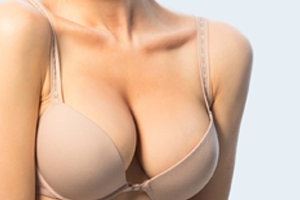
Breast augmentation is a surgical procedure that enhances breast size and shape using silicone or saline implants or, in some cases, a fat transfer technique. At Rodeo Surgical Art in Beverly Hills, Dr. David Mashhadian designs each augmentation around the patient’s anatomy, lifestyle, and goals to produce a natural looking, proportional result.
What Is Breast Augmentation?
Breast augmentation is one of the most consistently requested cosmetic surgical procedures in the United States. The goal is to enhance the size, shape, projection, and symmetry of the breasts using implants or, in select cases, the patient’s own fat. The procedure is highly customizable, and the outcome depends almost entirely on the surgeon’s planning, technique, and aesthetic judgment.
At Rodeo Surgical Art, breast augmentation is approached as a craft, not a checklist. Every consultation begins with the patient’s actual goals and proceeds through implant type, size, profile, placement, incision location, and recovery plan, all tailored to the patient in the chair.
Augmentation vs Lift vs Reconstruction
These three procedures are often confused. Breast augmentation enhances size and shape using implants or fat transfer. A breast lift (mastopexy) repositions the breast tissue and nipple to a higher, more youthful position without changing volume. Breast reconstruction restores the breast after mastectomy or significant trauma. Patients with both volume loss and significant sagging often benefit from an augmentation combined with a lift, which is one of Dr. Mashhadian’s most refined combination procedures.
Who Is a Good Candidate for Breast Augmentation?
Strong candidates for breast augmentation share a few characteristics. They are in good general health, do not smoke or are willing to stop before and after surgery, have realistic expectations about what surgery can and cannot do, and have a clear personal reason for wanting the procedure.
Patients may pursue augmentation to restore breast volume lost after pregnancy and breastfeeding, to balance natural asymmetry, to enhance proportion and projection, or simply to feel more confident in their clothing and in their body. All of these are valid reasons, and all of them deserve a careful, no pressure conversation about what is possible and what is realistic.
Breast Implant Types Explained
The most important decision you will make during your consultation is which implant is right for you. This is where Dr. Mashhadian’s experience matters most. The differences between implants are not just about feel and look. They affect longevity, recovery, scar placement, and revision strategy years down the line.
Silicone Gel Implants
Silicone gel implants are filled with a soft, cohesive silicone gel that closely mimics the feel of natural breast tissue. They are the most commonly chosen implant in Beverly Hills aesthetic practices because of how natural they feel and look. Modern silicone implants are FDA approved and have decades of safety data behind them.
Saline Implants
Saline implants are filled with sterile salt water after placement. Because they are filled during surgery rather than before, they can be inserted through a slightly smaller incision. If they ever rupture, the saline is harmlessly absorbed by the body. The tradeoff is that they tend to feel firmer than silicone and can show rippling in thinner patients.
Gummy Bear (Cohesive Gel) Implants
Gummy bear implants are a form of highly cohesive silicone gel that holds its shape even if the shell is damaged. They are firmer than standard silicone, hold their teardrop profile, and resist rippling. They are an excellent option for patients who want a stable, anatomically shaped result with good upper pole fullness control.
Round vs Teardrop Shape
Round implants produce more fullness at the top of the breast and are the most popular choice for that classic, lifted look. Teardrop (anatomical) implants are shaped to mimic the natural slope of the breast, with less projection at the top and more at the bottom. The right choice depends on your natural anatomy, your goals, and how you want your breasts to look in a bra, a swimsuit, and unclothed.
Smooth vs Textured Surface
Smooth implants move freely within the breast pocket and tend to feel more natural. Textured implants are designed to adhere slightly to surrounding tissue, which keeps anatomical shapes oriented properly. Each has a place, and Dr. Mashhadian will explain when one is preferred over the other for your case.
Fat Transfer Breast Augmentation
For some patients, augmentation can be achieved using their own fat instead of an implant. Fat is harvested from areas like the abdomen, flanks, or thighs through liposuction, processed, and then injected into the breasts to add volume and refine shape.
When Fat Transfer Is the Right Choice
Fat transfer works best for patients who want a modest size increase (typically half a cup to a full cup), have enough donor fat available, and want a softer, more natural result without any implant in the body. It also has the side benefit of body contouring in the donor areas.
When Implants Make More Sense
For patients who want a larger increase in size, more upper pole fullness, or more predictable projection, implants are the better tool. Fat transfer has natural limits on how much volume can be added safely in a single session, and not all of the transferred fat survives long term.
Choosing the Right Implant Size and Profile
This is where consultations earn their keep. Choosing the right size is not about a number on a chart. It is about how the implant will look on your specific chest, with your specific tissue and frame, given your specific lifestyle.
How Dr. Mashhadian Approaches Sizing Consultations
Dr. Mashhadian uses a combination of measurements, sizers, photographs, and a careful conversation about what you actually want your breasts to look like. He will ask about your clothing style, your fitness routine, whether you ever want to go braless, and what kind of cleavage you are drawn to. The right size is the one that fits your body and your life, not a number borrowed from someone else’s surgery photos.
Profile Selection (Low, Moderate, High, Ultra High)
Profile refers to how much an implant projects forward from the chest. A higher profile produces more projection from the same volume, while a lower profile spreads the volume more broadly across the chest. The correct profile depends on the width of your chest, the width of your natural breast tissue, and the aesthetic you are trying to achieve.
Surgical Technique and Incision Options
Where the incision is placed and where the implant sits beneath the tissue both affect the final look, the feel, and the visibility of scars.
Inframammary Incision
The inframammary incision is placed in the natural crease beneath the breast. It is the most commonly used incision because it gives the surgeon excellent access and visibility, produces a well concealed scar in the fold, and is compatible with every implant type.
Periareolar Incision
The periareolar incision is placed along the lower edge of the areola. It places the scar at the color transition where it tends to blend well, but it does involve cutting through some breast tissue, which is a consideration for future breastfeeding plans in younger patients.
Transaxillary Incision
The transaxillary incision is placed in the armpit, leaving no scar on the breast itself. It is a more specialized approach and is best suited to certain implant types and certain anatomies.
Dual Plane vs Subglandular vs Submuscular Placement
Implants can be placed above the chest muscle (subglandular), partially behind the muscle (dual plane), or completely behind the muscle (submuscular). Dr. Mashhadian’s most common placement is dual plane, which offers a natural transition at the top of the breast, excellent long term shape, and reduced visibility of the implant edge in thinner patients.
What to Expect From Recovery
Recovery from breast augmentation is more comfortable than most patients expect, especially with modern surgical and pain management techniques. Most patients are walking around the same day and back to desk work within a week.
Week One
The first few days involve the most soreness and tightness. You will rest at home, wear a supportive surgical bra, take prescribed medication as directed, and avoid lifting anything heavier than a coffee cup. Most patients are off prescription pain medication within three to five days.
Weeks Two Through Six
By week two, most patients return to office work and light daily activity. Around weeks four to six, you can resume most exercise, with cardio returning sooner than chest specific lifting.
Returning to Exercise and Full Activity
Full unrestricted activity, including chest workouts and high impact sports, is typically cleared at six to eight weeks. Dr. Mashhadian will give you specific timelines based on your healing and the technique used.
Breast Augmentation Cost in Beverly Hills
Breast augmentation in Beverly Hills typically ranges from twelve thousand to twenty thousand dollars or more depending on implant type, surgical technique, and whether the procedure is combined with a lift or other work. This range reflects the level of training, the surgical facility, the anesthesia team, and the implants themselves.
What Is Included in the Quoted Price
A complete quote includes the surgeon’s fee, the surgical facility fee, the anesthesiologist’s fee, the implants, the post operative garments, and the follow up appointments. At Rodeo Surgical Art, your quote will be transparent and itemized in writing.
Financing Options
Financing through CareCredit and similar medical financing programs is available for qualified patients. Our team will walk you through the options during your consultation.
Risks, Revisions, and Long Term Considerations
Every surgery carries risk, and breast augmentation is no exception. Possible complications include capsular contracture, implant rupture, asymmetry, changes in nipple sensation, and the need for revision surgery in the future. Dr. Mashhadian will discuss every risk in detail during your consultation so you can make a fully informed decision.
Implants are not lifetime devices for every patient. Some women keep their original implants for decades. Others choose to update or replace them at some point. Plan for breast augmentation as a long term relationship with your surgeon, not a one and done transaction.
Why Patients Choose Dr. Mashhadian at Rodeo Surgical Art for Breast Augmentation
Dr. David Mashhadian has built his Beverly Hills practice around personalized cosmetic surgery, and breast augmentation is one of his most refined procedures. Every consultation, every surgery, and every follow up is handled directly by Dr. Mashhadian. There is no team handoff.
Patients consistently describe his style as honest, conservative when conservative is right, and uncompromising on the details that determine the final result. The Beverly Hills office, the in house surgical experience, and the level of personal attention are what bring patients to Rodeo Surgical Art from across Los Angeles and well beyond.
Frequently Asked Questions
How long do breast implants last?
Modern implants do not have a fixed expiration date. Many patients keep their original implants for fifteen to twenty years or longer. The FDA recommends imaging surveillance for silicone implants over time. Replacement is based on the condition of the implant and your goals, not a calendar date.
Will I be able to breastfeed?
Most patients are able to breastfeed after augmentation, particularly when an inframammary or transaxillary incision is used. Periareolar incisions carry a slightly higher risk of affecting breastfeeding. Dr. Mashhadian will plan around your future family goals.
How soon can I drive after surgery?
Most patients can drive again once they are off prescription pain medication and can comfortably move the steering wheel, typically within three to five days.
Will my implants feel natural?
In experienced hands and with the right implant choice and placement, modern implants feel very natural to both the patient and to others. Implant type, placement plane, and the amount of native breast tissue all influence the final feel.
Do I need to replace my implants every ten years?
No. The old idea that implants need to be replaced every ten years is outdated. Replacement is based on the implant’s condition and the patient’s goals, not the calendar.
Schedule Your Breast Augmentation Consultation in Beverly Hills
The most important step in any cosmetic surgery journey is the consultation. It is where the plan is built, where questions get answered, and where you decide whether your surgeon is the right person for your case.
Schedule a private consultation with Dr. David Mashhadian at Rodeo Surgical Art by calling 310-652-4500 or by submitting the contact form on this page.